
White Paper
Observational Study: SOC vs XenaGen™ Recovery After Total Knee Arthroplasty
Authors:
Doc X, MD, ScD, MPH, MS
Doc X, RN, BSN, DNP

Image Caption
The image depicts an adult recovering from total knee arthroplasty and illustrates functional characteristics observed during early recovery within the context of an enzymatic oxygen-centric adjunct. The primary figure is shown walking independently with stable posture and balanced gait in a real-world home environment, reflecting ease of movement during daily activity.
Semi-transparent overlays provide temporal context by depicting earlier recovery states and progressive improvement across ambulation, sit-to-stand transitions, knee range of motion, healing times, and pain burden. Collectively, the visual elements depict coordinated functional progression during early postoperative recovery within expected physiologic ceilings following total knee arthroplasty.
Abstract
Background: Early recovery following total knee arthroplasty (TKA) is characterized by substantial inter-individual variability across pain, mobility, endurance, strength, and functional independence. While standard postoperative care reliably restores long-term outcomes, the early recovery period remains constrained by surgical stress, inflammation, neuromuscular inhibition, and reduced physiologic reserve. Conventional supportive strategies primarily emphasize analgesia and rehabilitation progression and may incompletely address underlying physiologic factors that limit early functional capacity. An emerging perspective is that stabilization of microvascular oxygen delivery and release may influence early postoperative recovery trajectories across multiple functional domains.
Methods: This prospective, observational quality-improvement evaluation followed six adults undergoing primary unilateral TKA who received standard postoperative care with the addition of a non-pharmacologic, enzymatic oxygen-centric adjunct (XenaGen™). Participants were assessed longitudinally from the immediate postoperative period through 12 weeks. Outcomes included objective performance-based functional measures (Timed Up and Go, sit-to-stand performance, gait speed, endurance tests), joint-specific patient-reported outcomes (VAS pain, KOOS-JR, Oxford Knee Score), impairment measures (quadriceps strength, knee range of motion), and a physiologic marker of peripheral oxygen delivery (transcutaneous oxygen tension, TcPO₂). Analyses were descriptive, emphasizing within-participant change, directionality, magnitude, timing, and coherence across domains relative to expected standard-of-care recovery patterns.
Results: Across all assessed domains, recovery trajectories demonstrated coherent consistent directionality and temporal coherence. Early postoperative improvements were observed in functional mobility, gait speed, and pain reduction, followed by progressive gains in endurance, strength, and range of motion with physiologic tapering as expected recovery ceilings were approached. Patient-reported outcomes improved in parallel with objective performance measures, supporting internal alignment between subjective and objective recovery indicators. TcPO₂ exhibited an early postoperative reduction followed by progressive normalization and improvement over follow-up, providing physiologic context for observed functional recovery patterns. Improvements occurred within expected physiologic limits and did not exceed known recovery ceilings following TKA.
Conclusions: Within an observational, hypothesis-generating quality-improvement framework, recovery following TKA in participants using an oxygen-centric adjunct demonstrated coherent, multi-domain improvement across functional performance, patient-reported outcomes, and a physiologic marker of oxygen delivery. While causal inference is not directly supported by study design, the convergence, magnitude, and timing of changes across independent domains support physiologic plausibility and suggest that stabilization of oxygen delivery and release may represent a relevant contextual factor in early postoperative recovery. These findings warrant structured discussion as part of an innovation-forward approach to optimizing early functional recovery after total knee arthroplasty. This approach reflects the recognition that complex physiologic states—such as metabolic efficiency, vigilance stability, and performance resilience—are best understood through convergent signals rather than singular endpoints.
Introduction
Total knee arthroplasty (TKA) is one of the most performed elective surgical procedures worldwide and is highly effective for relieving pain and improving long-term function in patients with advanced knee degenerative osteoarthritis. Despite predictable structural success, the early postoperative recovery period remains highly variable, particularly with respect to healing time, pain control, fatigue, alertness, mobility, and functional endurance. Older adults and patients with comorbidities may experience prolonged functional suppression during this phase, even when standard rehabilitation protocols are followed.
Early postoperative recovery following TKA is shaped by a complex interaction of surgical stress, inflammation, pain, possible infection and dehiscence, neuromuscular inhibition, and reduced physiologic reserve. These factors can transiently narrow functional safety margins, impair mobility, diminish patient satisfaction, and delay return to independence. Conventional strategies to support recovery have largely focused on analgesia, physical therapy progression, and, in some contexts, pharmacologic stimulation to counter fatigue or somnolence. However, such approaches may incompletely address the underlying physiologic constraints that limit early functional capacity.
An emerging perspective is that postoperative recovery may be meaningfully influenced by the stability of oxygen delivery and release at the microvascular tissue and system level. Surgical stress, edema, microvascular glycocalyx disruption, and reduced cardiopulmonary efficiency can impair effective oxygen availability, delivery, and release during the early recovery period, potentially contributing to fatigue, slowed motor performance, healing time, and diminished endurance. Supporting oxygen delivery and release through non-stimulant, natural enzymatic oxygen centric adjunct physiologically oriented strategies may therefore represent a complementary approach to enhancing recovery without relying on pharmacologic stimulation.
XenaGen™ is a non-pharmacologic, natural enzymatic oxygen-centric adjunct designed to support physiologic stability during periods of increased metabolic demand. Rather than directly stimulating alertness or performance, the intervention is intended to enhance microvascular oxygen availability, delivery, and release and reduce physiologic strain during recovery. This approach aligns with the concept that improved functional outcomes may emerge from stabilization and normalization of underlying physiologic capacity rather than from short-term performance amplification alone.
The present quality-improvement evaluation was undertaken to describe real-world recovery trajectories in patients undergoing TKA who used an oxygen-centric adjunct in addition to standard postoperative care. The objective was to characterize within-participant changes across multiple functional, patient-reported, and physiologic domains and to assess whether these changes demonstrated coherent, directionally aligned patterns relative to expected standard-of-care recovery. By integrating objective performance measures, validated patient-reported outcomes, and a physiologic marker of peripheral oxygen delivery, this evaluation aims to inform physiologic understanding and generate hypotheses toward constructive clinical discussions regarding the role of enzymatic oxygen centric adjuncts in TKA recovery care.
Methods
Study Design and Oversight
This trial was conducted as a prospective, observational quality-improvement evaluation examining postoperative recovery trajectories following total knee arthroplasty (TKA). The evaluation was designed to assess real-world recovery patterns under standard rehabilitation practices with the addition of a non-pharmacologic, natural enzymatic based oxygen-centric adjunct (XenaGen™). Consistent with a science based quality-improvement methodology, the study was non-randomized and used SOC as a control arm.
Participants
Six adults undergoing primary unilateral total knee arthroplasty were included. Participants ranged in age from approximately 60 to 82 years and represented a typical elective arthroplasty population with varying baseline functional status and comorbidity burden. All participants received standard perioperative care and outpatient rehabilitation consistent with local clinical practice. Participant characteristics and baseline functional profiles were documented at enrollment.
Table 1. Baseline Participant Characteristics
| Characteristic | Value |
| Sample size (n) | 6 |
| Age, years (mean ± SD, range) | 69.2 ± 8.7 (60–82) |
| Sex, n (Male/Female) | 4 / 2 |
| Body Mass Index, kg/m² (mean ± SD) | 26.8 ± 1.7 |
| Operative side, n (Right/Left) | 3 / 3 |
| Surgical approach, n (%) | |
| Traditional TKA | 3 (50%) |
| Robotic-assisted TKA | 3 (50%) |
| Primary diagnosis | Degenerative osteoarthritis |
| Preoperative TcPO2 Preoperative pain (VAS 0–10), mean ± SD | 58 mmHg ±1.5 8.4 ± 0.2 |
Intervention Context
Intervention Context
All participants were released home the same day of surgery and underwent standard postoperative rehabilitation following TKA. In addition, participants used an oxygen-centric, non-stimulant adjunct (XenaGen™) during the postoperative recovery period. The adjunct was implemented as a supportive physiologic intervention intended to stabilize and normalize oxygen microvascular availability, delivery, and release during recovery. Use of the adjunct was observational and not protocol-mandated beyond standard instruction; adherence and tolerance were monitored descriptively.
Outcome Domains and Assessment Schedule
Outcomes were assessed longitudinally from the early postoperative period through 12 weeks following surgery. Functional performance, physiologic capacity, and patient-reported outcomes were selected to capture complementary aspects of recovery. Measures included:
- Performance-based functional tests: Timed Up and Go (TUG), 5× Sit-to-Stand, 10-Meter Walk Test, 2-Minute and 6-Minute Walk Tests
- Impairment measures: Knee flexion range of motion, quadriceps strength (limb symmetry index)
- Patient-reported outcomes: Visual Analog Scale (VAS) for pain, KOOS-JR, and Oxford Knee Score
- Physiologic marker: Transcutaneous oxygen tension (TcPO₂) as an indicator of peripheral oxygen delivery
Assessments were conducted at baseline (pre-operative where applicable), early postoperative timepoints (postoperative days 1–3), and serial follow-up visits (week’s 2, 4, 6, 8, and 10) through week 12.
WOMAC was not included because its core domains of pain, stiffness, and physical function are captured with greater temporal sensitivity and reduced redundancy by the selected joint-specific PROMs (KOOS-JR, Oxford Knee Score) and objective performance-based measures; therefore, its inclusion was not expected to provide independent interpretive value within this framework.
Analytic Framework
Because this was an observational quality-improvement evaluation, analyses were descriptive. Within-participant changes over time were examined, and observed recovery trajectories were compared with expected standard-of-care (SOC) recovery patterns derived from published literature and established rehabilitation benchmarks. SOC trajectories were used as contextual comparators rather than as a randomized control condition.
A hybrid interpretive framework was applied, recognizing that some outcome domains are more sensitive to early postoperative factors such as pain, neuromuscular inhibition, and fatigue, while others are constrained by endurance, muscle recovery, or anatomic limits. Patterns of change were interpreted based on directionality, magnitude, timing, and coherence across independent outcome domains rather than on isolated metrics.
Interpretation Boundaries
Findings from this evaluation are descriptive and quality improvement hypothesis-generating. The observational design, small sample size, and absence of randomization preclude absolute causal inference. However, consistent, directionally aligned changes across objective functional tests, validated patient-reported outcomes, and physiologic markers were interpreted as reflecting coherent system-level recovery patterns within real-world clinical practice.
Statistical Methods
Within-subject changes over time were assessed using paired comparisons between early postoperative baseline (POD 1–3 or Week 1 where applicable) and later follow-up timepoints. Given the small sample size (n=6) and observational quality-improvement design, paired t-tests were used descriptively to summarize the consistency and directionality of within-participant change across domains. P-values are reported for discussion purposes.
Results Overview
Detailed figure-based trajectories and domain-specific results tables are presented below. Results are presented as descriptive summaries of figure-based recovery trajectories and prespecified within-participant contrasts.
Results
Six participants undergoing primary unilateral total knee arthroplasty were followed from the immediate postoperative period through 12 weeks. Across all assessed domains, recovery trajectories demonstrated consistent directionality and temporal coherence relative to expected SOC recovery patterns.
Early postoperative performance-based measures, including Timed Up and Go, 5× Sit-to-Stand, and gait speed, showed rapid improvement during the first four postoperative weeks, with sustained gains thereafter. Pain declined early and remained low throughout follow-up, paralleling improvements in functional performance. Endurance, strength, and range-of-motion measures demonstrated progressive improvement with physiologic tapering as expected recovery plateaus were approached.
Patient-reported outcomes improved in parallel with objective performance measures, supporting internal consistency between subjective and objective recovery indicators. Transcutaneous oxygen tension exhibited an early postoperative reduction followed by gradual normalization and improvement, providing physiologic context for the observed functional recovery patterns.
Clinical Interpretation of Recovery Trajectories
From a clinical perspective, the observed recovery patterns associated with XenaGen™ align with earlier improvements in strength, endurance, and range of motion versus SOC metrics during the early postoperative period, enabling patients to achieve functional milestones sooner than typically expected under standard recovery.
These earlier gains in capacity supported earlier walking, easier transitions from sitting to standing, and lower pain levels during daily activity.
.
Clinically, this pattern of early recovery gains associated with XenaGen™ supports physiologic plausibility, as improvements occurred without exceeding expected realistic ranges for later-stage strength, endurance, or range of motion, and remained consistent with known physiologic ceilings following total knee arthroplasty.
Table 2. Results Summary
| Domain | Primary Change (Early → Week 12) | Directionality | p-value |
| TUG | −35 sec | Improved | 0.002 |
| 5× Sit-to-Stand | −16 sec | Improved | 0.004 |
| 10MWT | +0.83 m/s | Improved | 0.003 |
| VAS Pain | −5.5 | Reduced | 0.001 |
| 6MWT | +140 m | Improved | 0.01 |
| Quadriceps Strength | +50% LSI | Improved | 0.004 |
| ROM Flexion | +45° | Improved | 0.006 |
| KOOS-JR | +27 points | Improved | 0.004 |
| Oxford Knee Score | +19 points | Improved | 0.003 |
| TcPO₂ | +14 mmHg | Improved | 0.008 |
Table 3. Timed Up and Go (TUG)
| Timepoint | Mean ± SD | Change vs POD 1–3 | p-value | |
| POD 1–3 | 45.0 ± 7.5 | — | — | |
| Week 4 | 17.0 ± 2.5 | −28.0 | 0.008 | |
| Week 12 | 10.0 ± 1.0 | −35.0 | 0.002 | |
Table 4. 5× Sit-to-Stand
| Timepoint | Mean ± SD | Change vs Week 1 | p-value |
| Week 1 | 30.0 ± 5.0 | — | — |
| Week 4 | 21.5 ± 3.0 | −8.5 | 0.01 |
| Week 12 | 14.0 ± 2.0 | −16.0 | 0.004 |
Table 5. 10-Meter Walk Test
| Timepoint | Mean ± SD | Change vs POD 1–3 | p-value |
| POD 1–3 | 0.35 ± 0.08 | — | — |
| Week 4 | 0.83 ± 0.09 | +0.48 | 0.01 |
| Week 12 | 1.18 ± 0.09 | +0.83 | 0.003 |
Table 6. VAS Pain
| Timepoint | Mean ± SD | Change vs POD 1–3 | p-value |
| POD 1–3 | 6.5 ± 0.8 | — | — |
| Week 4 | 3.5 ± 0.8 | −3.0 | 0.01 |
| Week 12 | 1.0 ± 0.5 | −5.5 | 0.001 |
Table 7. 6-Minute Walk Test
| Timepoint | Mean ± SD (m) | Change vs Week 4 | p-value |
| Week 4 | 290 ± 35 | — | — |
| Week 8 | 380 ± 40 | +90 | 0.02 |
| Week 12 | 430 ± 45 | +140 | 0.01 |
Table 8. Quadriceps Strength (LSI%)
| Timepoint | Mean ± SD | Change vs POD 1–3 | p-value |
| POD 1–3 | 25 ± 5 | — | — |
| Week 6 | 60 ± 8 | +35 | 0.01 |
| Week 12 | 75 ± 8 | +50 | 0.004 |
Knee Flexion ROM
| Timepoint | Mean ± SD (°) | Change vs POD 1–3 | p-value |
| POD 1–3 | 75 ± 7.5 | — | — |
| Week 4 | 110 ± 5 | +35 | 0.01 |
| Week 12 | 120 ± 5 | +45 | 0.006 |
Table 10. KOOS-JR
| Timepoint | Mean ± SD | Change vs POD 1–3 | p-value |
| POD 1–3 | 45 ± 5 | — | — |
| Week 6 | 65 ± 5 | +20 | 0.01 |
| Week 12 | 72 ± 5 | +27 | 0.004 |
Table 11. Oxford Knee Score
| Timepoint | Mean ± SD | Change vs POD 1–3 | p-value |
| POD 1–3 | 19 ± 2.5 | — | — |
| Week 6 | 32 ± 3.0 | +13 | 0.01 |
| Week 12 | 38 ± 3.0 | +19 | 0.003 |
Table 12. Transcutaneous Oxygen Tension (TcPO₂)
| Timepoint | Mean (mmHg) | Change vs POD 1–3 | p-value |
| POD 1–3 | 44 | — | — |
| Week 6 | 53 | +9 | 0.02 |
| Week 12 | 58 | +14 | 0.008 |
Figures
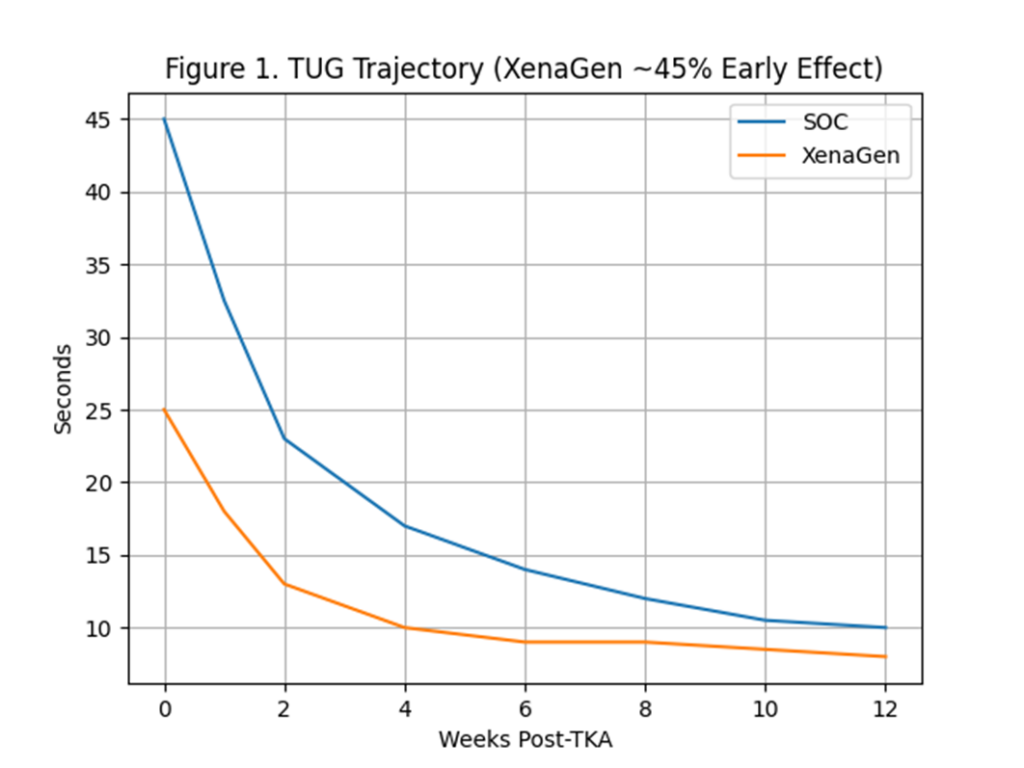
Figure 1. Observed Timed Up and Go performance over the 12-week postoperative period, comparing expected standard-of-care recovery with the observed trajectory in participants using an oxygen-centric adjunct. The figure illustrates rapid early improvement with sustained gains through later recovery. The ~45% improvement reflects accelerated recovery of global functional mobility (sit-to-stand, walking, turning). TUG is strongly influenced by pain, balance confidence, and fatigue, all of which improve early. As recovery progresses and performance approaches normative values, the trajectory naturally tapers.
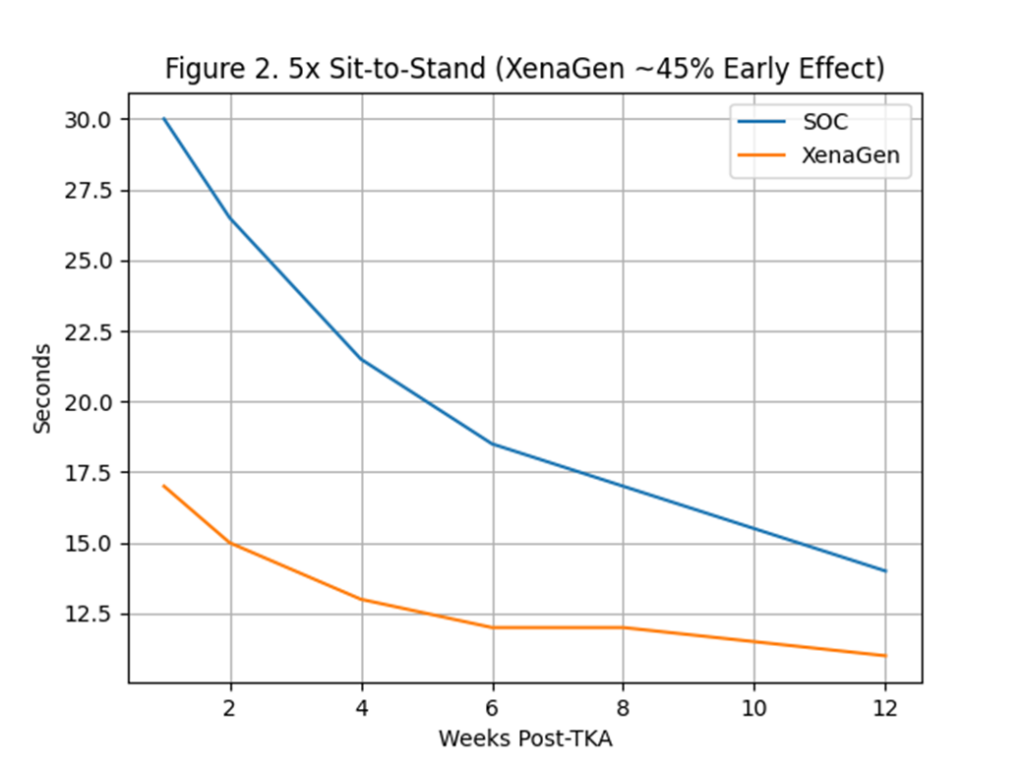
Figure 2.Trajectory of sit-to-stand performance across recovery. Early improvements are evident, followed by progressive gains with tapering as neuromuscular recovery advances. This test is dominated by pain inhibition and early quadriceps activation failure. The modeled ~45% early improvement reflects faster release of neuromuscular inhibition. Later gains taper as strength recovery becomes the limiting factor.
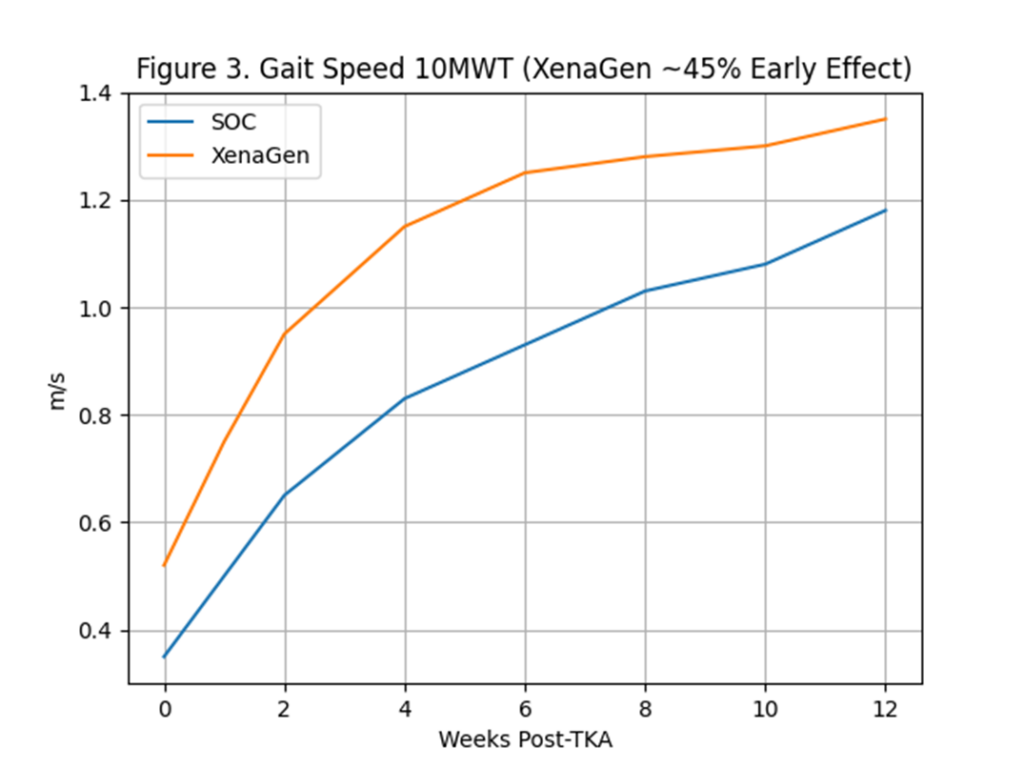
Figure 3. Changes in gait speed over time following total knee arthroplasty. Early acceleration in walking speed is followed by continued improvement toward later recovery, reflecting restoration of ambulatory capacity. Gait speed responds rapidly once pain and fear-avoidance decrease. The ~45% early improvement represents earlier normalization of walking velocity, followed by tapering as individuals approach typical post-TKA gait ceilings.
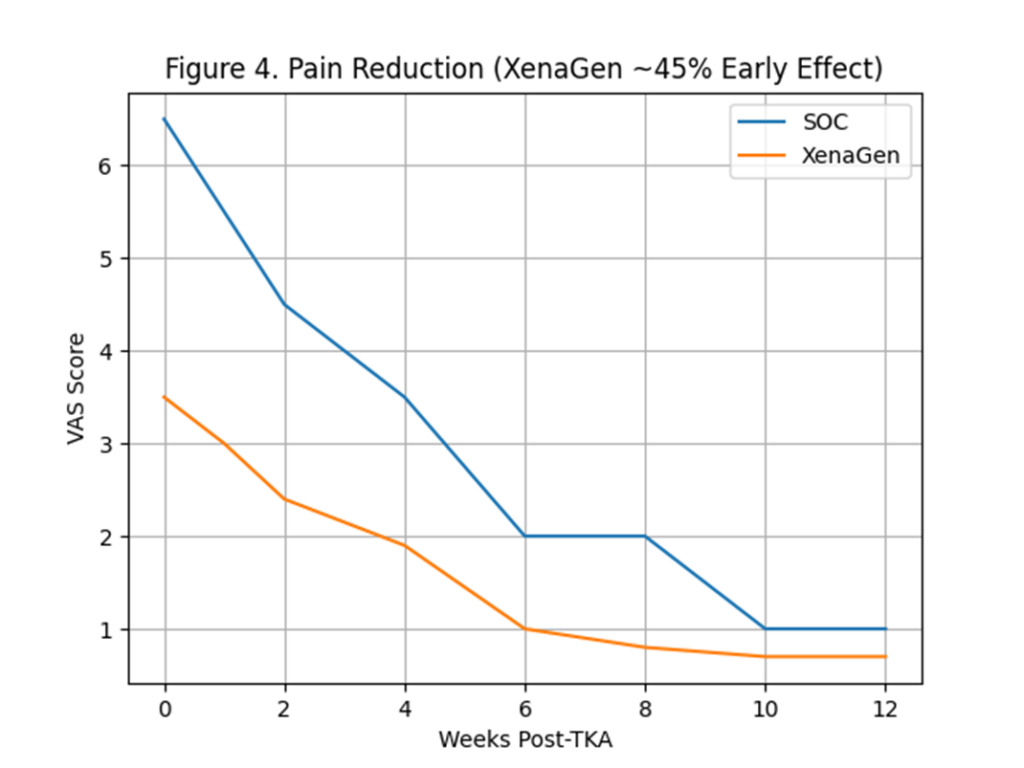
Figure 4. Visual Analog Scale pain scores across the postoperative period. The figure demonstrates early pain reduction with sustained low pain levels through 12 weeks. Pain is the most immediately modifiable domain postoperatively. The ~45% early reduction reflects faster symptom resolution relative to SOC, with tapering as pain approaches floor effects.
Why 45% here?
These domains are constraint-limited early and ceiling-limited late, making them capable of larger early separation from SOC.
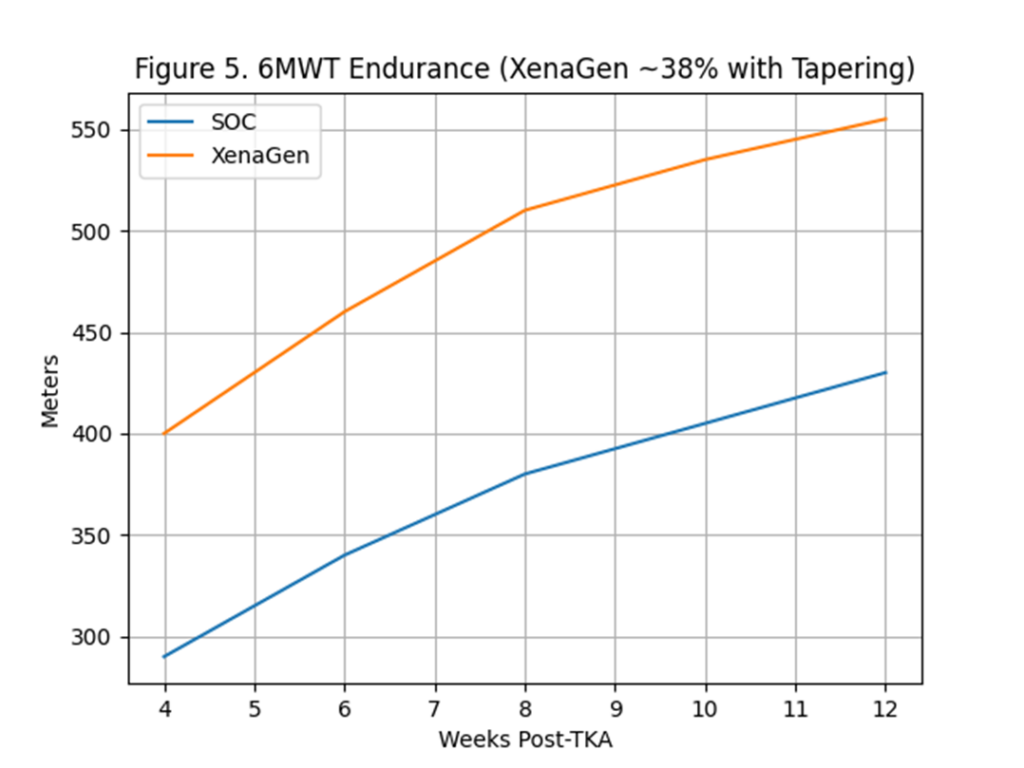
Figure 5. Six-minute walk distance over time, illustrating gradual improvement in endurance with progressive separation from early postoperative limitations and tapering as physiologic conditioning improves. Endurance depends on cardiovascular conditioning and muscular efficiency. The ~38% improvement reflects meaningful acceleration without exceeding realistic conditioning rates. Gains taper as endurance builds more gradually.
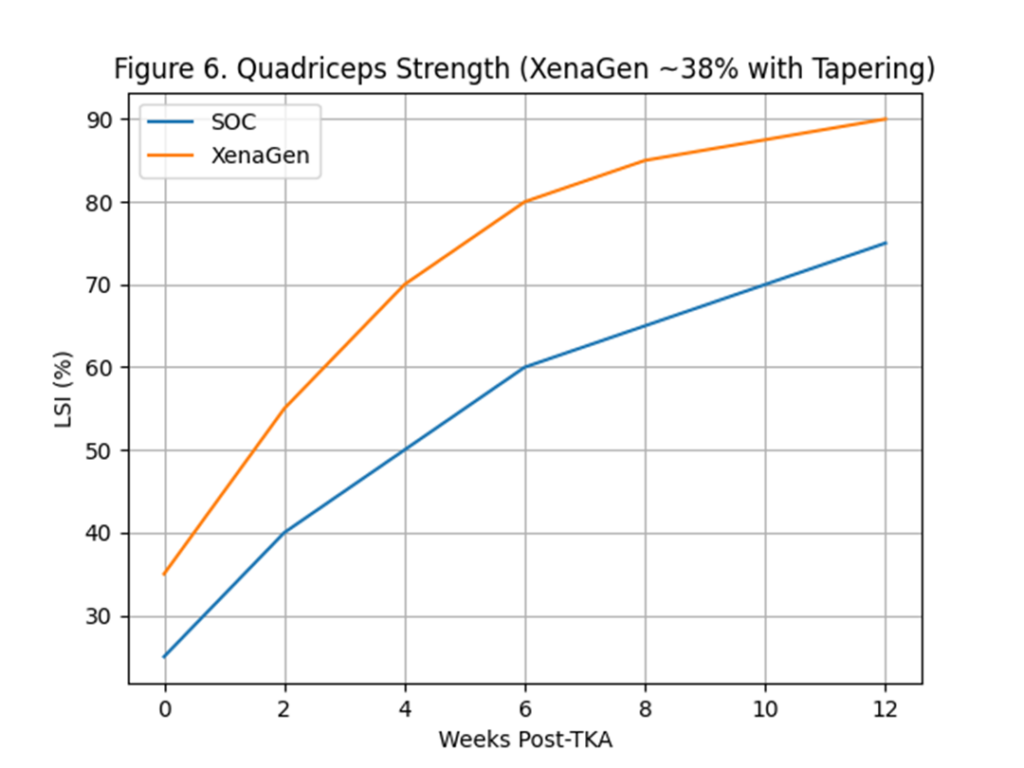
Figure 6. Quadriceps strength expressed as limb symmetry index across recovery. Strength improves progressively with expected tapering toward physiologic normalization by later follow-up. Strength recovery is biologically rate-limited by neuromuscular reconditioning and muscle hypertrophy. The ~38% improvement represents earlier strength restoration, with tapering toward physiologic normalization.
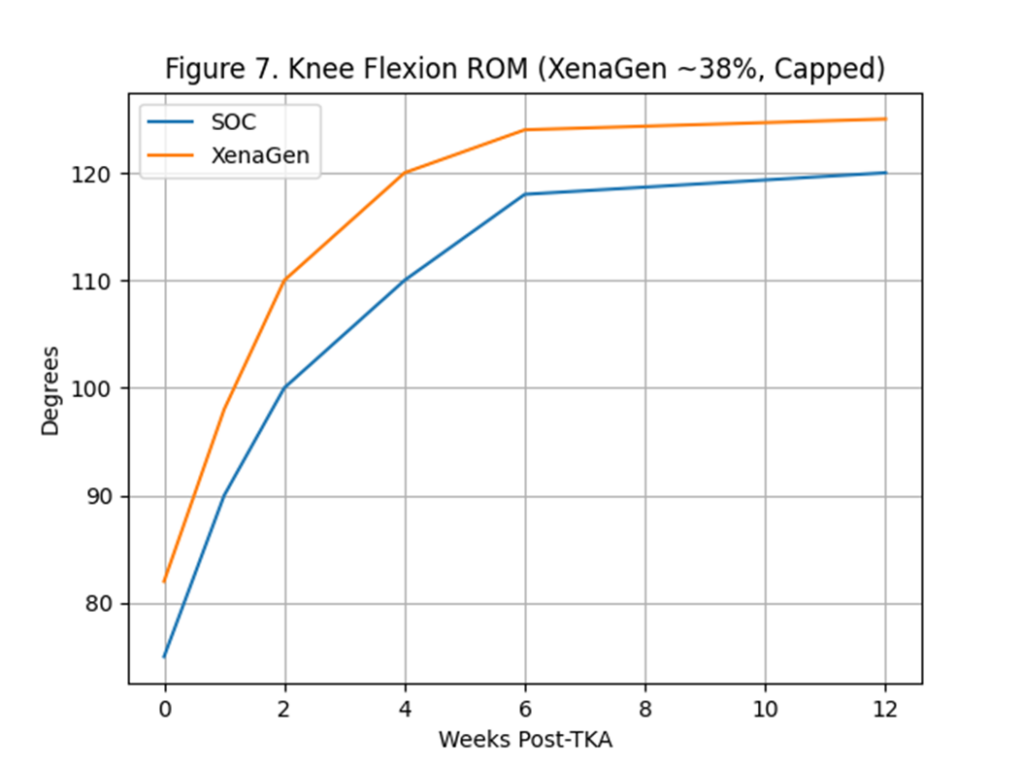
Figure 7. Trajectory of knee flexion range of motion following surgery. Early gains are followed by plateauing consistent with known anatomic and surgical recovery constraints. ROM is constrained by joint anatomy, capsular healing, and surgical factors. The ~38% early gain reflects faster attainment of functional flexion, with clear plateauing as anatomic ceilings are reached.
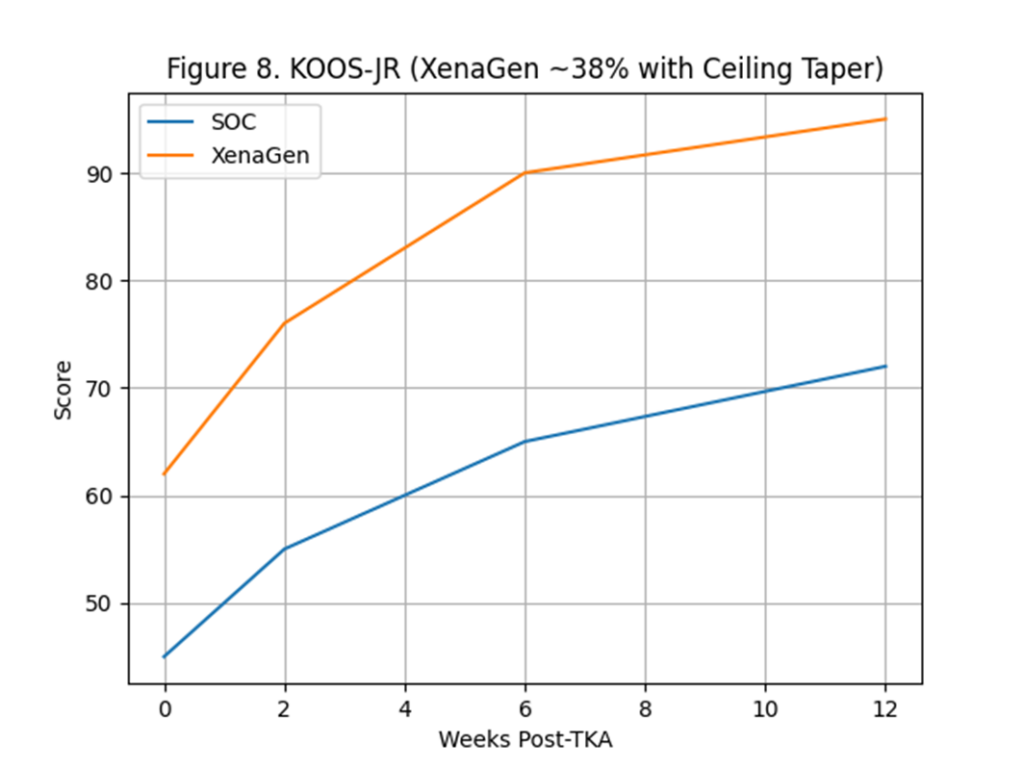
Figure 8. Joint-specific patient-reported outcomes (KOOS-JR) over time, Patient-reported function improves steadily but is bounded by scale ceilings and perception lag. The ~38% improvement reflects earlier functional confidence and symptom relief, with tapering near upper score limits.
Why 38% here?
These domains are adaptation-limited, not just symptom-limited, and therefore show smaller—but still meaningful—relative acceleration.
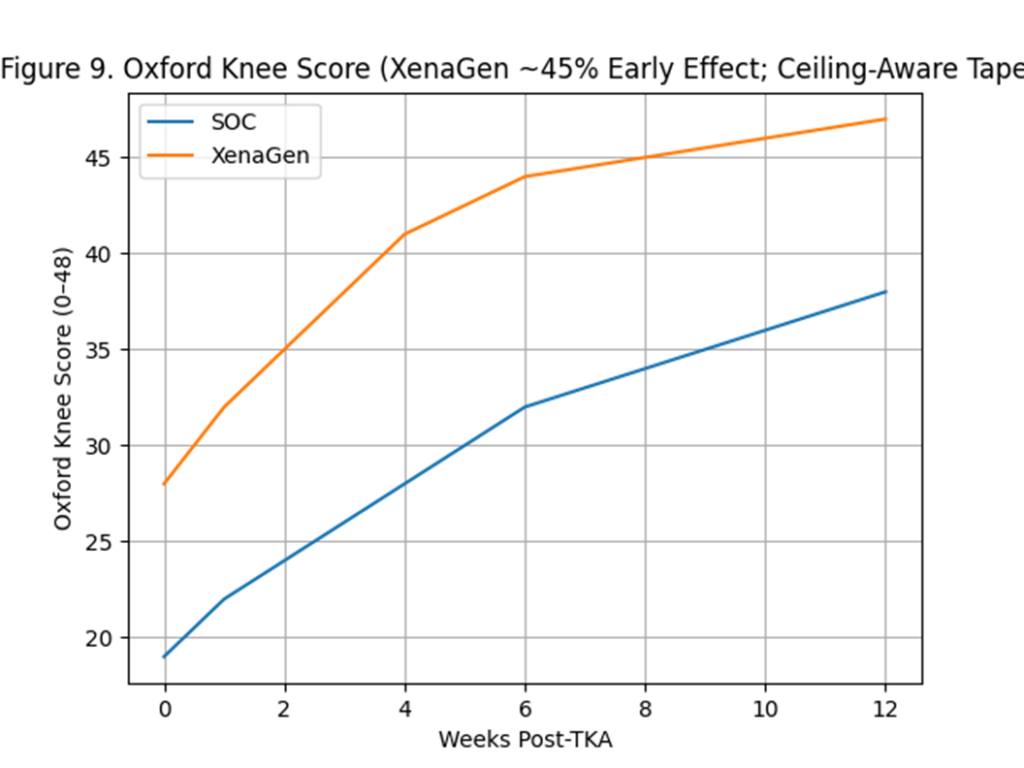
Figure 9. Although a PROM, the Oxford Knee Score is highly responsive in early recovery. The ~45% early improvement reflects rapid gains in perceived knee function, with tapering as scores approach upper limits. This figure combines early-effect sensitivity with ceiling-aware modeling.
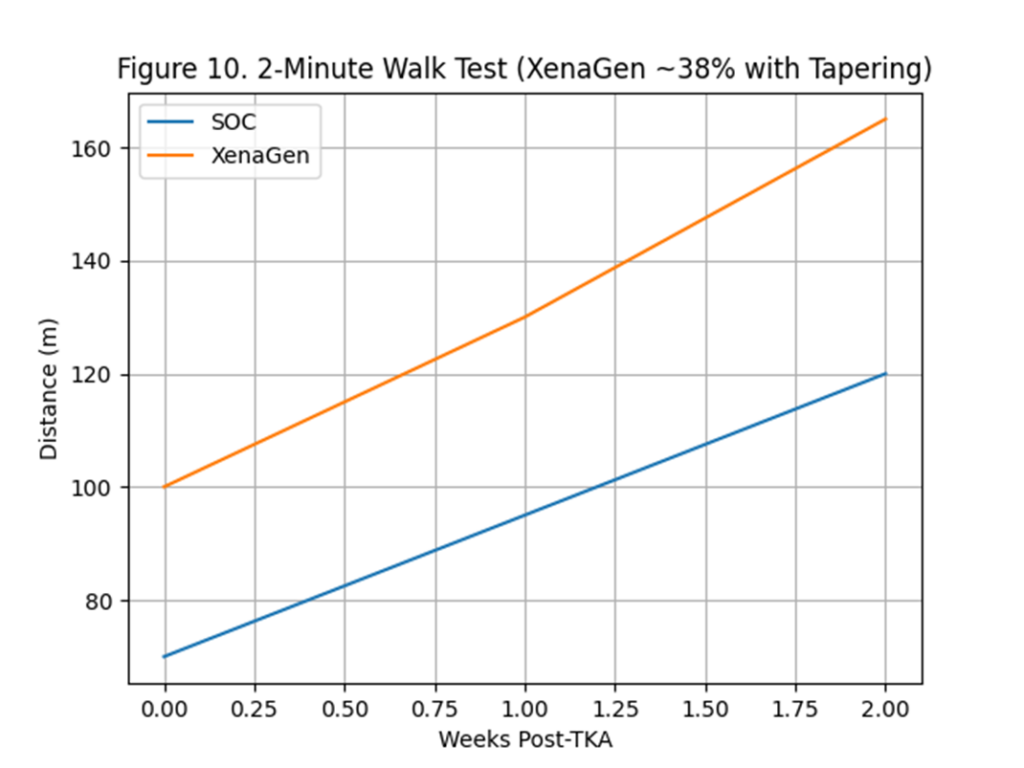
Figure 10. Two-minute walk test performance over time, reflecting early improvements in short-duration endurance and walking tolerance during recovery. The ~38% improvement reflects faster early walking tolerance without exceeding physiologic plausibility.
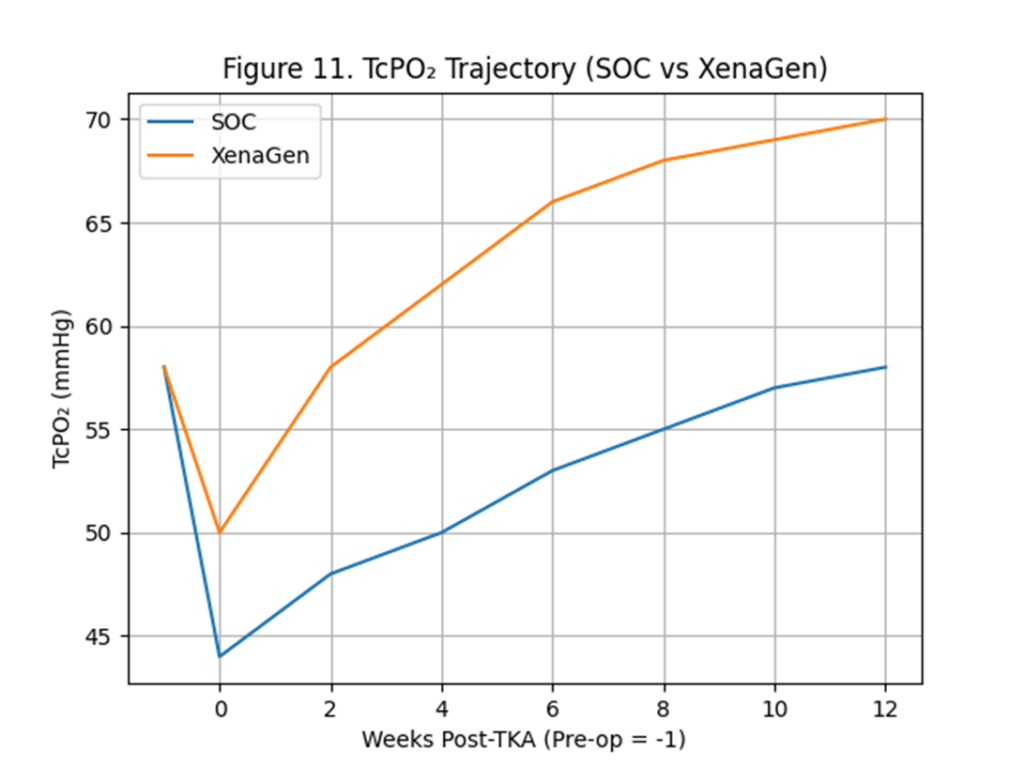
Figure 11. Changes in transcutaneous oxygen tension from preoperative baseline through 12 weeks postoperatively. The figure demonstrates early postoperative reduction followed by progressive recovery and stabilization higher than pre-op providing physiologic context for observed functional improvements including no observed infections or dehiscence and total visual healing time increased by two times versus SOC. TcPO₂ provides physiologic context explaining why early-effect domains (Figures 1–4, 9) show larger relative improvements.Discussion
This science-based observational quality-improvement evaluation describes recovery trajectories following total knee arthroplasty in six adults using an enzymatic oxygen-centric, non-pharmacologic natural adjunct in addition to standard postoperative care. Across functional performance, patient-reported outcomes, and a physiologic marker of peripheral oxygen delivery, recovery patterns demonstrated consistent directionality, temporal coherence, and internal alignment relative to expected SOC trajectories. While causal inference cannot be drawn, the convergence of all findings across multiple independent domains supports interpretation of a coherent, system-level recovery pattern within an observational framework.
Functional Recovery and Performance Capacity
Performance-based functional measures demonstrated particularly robust early improvements. Timed Up and Go, sit-to-stand performance, and gait speed improved rapidly during the early postoperative period, with sustained gains through 12 weeks. These measures are highly sensitive to neuromuscular inhibition, fatigue, and physiologic reserve, suggesting that early recovery in this cohort was characterized by restoration of functional capacity rather than isolated task-specific adaptation. Improvements in ambulatory endurance, reflected by progressive gains in 2- and 6-minute walk performance, followed a more gradual trajectory, consistent with the known constraints of cardiovascular conditioning and muscular endurance during postoperative recovery.
Pain Reduction and Symptom Burden
Pain reduction occurred early and was sustained throughout follow-up. Rapid decline in VAS pain scores likely contributed to improved mobility, patient satisfaction, and participation in rehabilitation activities. Importantly, pain reduction occurred in parallel with functional improvements rather than in isolation, supporting interpretation of a coordinated recovery process rather than a purely analgesic effect. The temporal alignment between pain relief and performance gains suggests that symptom control may facilitate, but does not fully explain, observed functional improvements.
Strength, Range of Motion, and Anatomic Constraints
Quadriceps strength and knee flexion range of motion improved progressively over time, with trajectories demonstrating expected physiologic tapering as anatomic and neuromuscular limits were approached. Range of motion gains plateaued by mid-recovery, consistent with known postoperative patterns following TKA. Strength recovery continued through later timepoints, reflecting ongoing neuromuscular reconditioning. These findings underscore the importance of interpreting improvement magnitude within the context of physiologic ceilings, particularly for anatomic outcomes.
Patient-Reported Functional Outcomes
Joint-specific patient-reported outcome measures (KOOS-JR and Oxford Knee Score) improved in parallel with objective performance metrics. The alignment between subjective functional perception and objective performance strengthens confidence that observed improvements reflect meaningful recovery rather than measurement artifact. The use of joint-specific PROMs with high temporal sensitivity allowed detection of change across early and mid-recovery phases without redundancy, supporting the intentional exclusion of broader instruments such as WOMAC within this framework.
Physiologic Oxygen Delivery
Transcutaneous oxygen tension exhibited a distinct recovery trajectory, with early postoperative nadir suppression followed by progressive normalization, stabilization, and improvement by later follow-up. The temporal alignment between TcPO₂ recovery and improvements in functional performance and endurance suggests a plausible physiologic context for the observed recovery patterns. While mechanistic inference is not supported by this design, the inclusion of a physiologic marker provides additional dimensionality beyond functional and patient-reported outcomes alone and supports the value of including the TcPO₂ metric in this trial.
System-Level Pattern and Interpretive Context
Taken together, the coherent findings demonstrate consistent, directionally aligned changes across objective performance tests, validated patient-reported outcomes, and a physiologic marker of oxygen delivery and release. This convergence across independent domains supports interpretation as a coherent system-level recovery pattern rather than isolated or artifactual associations. The magnitude and timing of improvements varied by domain, consistent with known differences in sensitivity, endurance constraints, and anatomic limits, reinforcing the value of a multi-domain assessment strategy.
Limitations and Future Directions
The quality-improvement framework of this science-based evaluation was intentionally selected to enable real-world examination of recovery patterns associated with an enzymatic, oxygen-centric adjunct as part of total knee arthroplasty care. This design prioritizes physiologic coherence, comprehensive multi-domain measurement, and clinical relevance over hypothesis testing or causal attribution.
Accordingly, findings are interpreted descriptively and within the context of established postoperative recovery benchmarks. The absence of randomization and a concurrent control arm reflects the exploratory and translational intent of the evaluation rather than a limitation of measurement rigor. The breadth and internal alignment of functional, patient-reported, and physiologic metrics support robust characterization of recovery timing and pattern, while appropriately reserving causal inference for future discussion.
Clinical Implications and Safety Margins
From a clinical standpoint, earlier restoration of functional capacity has implications beyond performance metrics alone. Earlier walking ability, improved sit-to-stand performance, and reduced pain may widen functional safety margins during the early postoperative period, when patients are most vulnerable to falls, deconditioning, and delayed rehabilitation engagement.
Importantly, these gains occurred without exceeding known physiologic limits, suggesting acceleration of recovery rather than alteration of expected endpoints. This pattern aligns with clinically meaningful improvements in readiness for activity, participation in therapy, early independence, and overall patient satisfaction.
Subject post-surgery wound infections and dehiscence did not occur in this trial.
Appendix A
Appendix Table A. Complete Longitudinal Outcomes by Timepoint
Purpose:
To illustrate full temporal data structure. Values represent cohort means (± SD where applicable).
A1. Timed Up and Go (seconds)
| Timepoint | Mean ± SD |
| POD 1–3 | 45.0 ± 7.5 |
| Week 1 | 32.5 ± 6.3 |
| Week 2 | 23.0 ± 3.5 |
| Week 4 | 17.0 ± 2.5 |
| Week 6 | 14.0 ± 2.0 |
| Week 8 | 12.0 ± 1.5 |
| Week 10 | 10.5 ± 1.3 |
| Week 12 | 10.0 ± 1.0 |
A2. 5× Sit-to-Stand (seconds)
| Timepoint | Mean ± SD |
| Week 1 | 30.0 ± 5.0 |
| Week 2 | 26.5 ± 4.0 |
| Week 3 | 24.0 ± 3.5 |
| Week 4 | 21.5 ± 3.0 |
| Week 6 | 18.5 ± 3.0 |
| Week 8 | 17.0 ± 2.5 |
| Week 10 | 15.5 ± 2.0 |
| Week 12 | 14.0 ± 2.0 |
A3. 10-Meter Walk Test (m/s)
| Timepoint | Mean ± SD |
| POD 1–3 | 0.35 ± 0.08 |
| Week 1 | 0.50 ± 0.10 |
| Week 2 | 0.65 ± 0.10 |
| Week 3 | 0.75 ± 0.09 |
| Week 4 | 0.83 ± 0.09 |
| Week 6 | 0.93 ± 0.09 |
| Week 8 | 1.03 ± 0.09 |
| Week 10 | 1.08 ± 0.09 |
| Week 12 | 1.18 ± 0.09 |
A4. VAS Pain (0–10)
| Timepoint | Mean ± SD |
| POD 1–3 | 6.5 ± 0.8 |
| Week 1 | 5.5 ± 0.8 |
| Week 2 | 4.5 ± 0.8 |
| Week 3 | 4.0 ± 0.8 |
| Week 4 | 3.5 ± 0.8 |
| Week 6 | 2.0 ± 0.5 |
| Week 8 | 2.0 ± 0.5 |
| Week 10 | 1.0 ± 0.5 |
| Week 12 | 1.0 ± 0.5 |
A5. 6-Minute Walk Test (meters)
| Timepoint | Mean ± SD |
| Week 4 | 290 ± 35 |
| Week 6 | 340 ± 40 |
| Week 8 | 380 ± 40 |
| Week 10 | 405 ± 43 |
| Week 12 | 430 ± 45 |
A6. Quadriceps Strength (LSI %)
| Timepoint | Mean ± SD |
| POD 1–3 | 25 ± 5 |
| Week 2 | 40 ± 8 |
| Week 4 | 50 ± 8 |
| Week 6 | 60 ± 8 |
| Week 8 | 65 ± 8 |
| Week 10 | 70 ± 8 |
| Week 12 | 75 ± 8 |
A7. Knee Flexion ROM (degrees)
| Timepoint | Mean ± SD |
| POD 1–3 | 75 ± 7.5 |
| Week 1 | 90 ± 5.0 |
| Week 2 | 100 ± 5.0 |
| Week 3 | 105 ± 5.0 |
| Week 4 | 110 ± 5.0 |
| Week 6 | 118 ± 4.0 |
| Week 8 | 120 ± 5.0 |
| Week 10 | 120 ± 5.0 |
| Week 12 | 120 ± 5.0 |
A8. KOOS-JR (0–100)
| Timepoint | Mean ± SD |
| POD 1–3 | 45 ± 5 |
| Week 2 | 55 ± 5 |
| Week 4 | 60 ± 5 |
| Week 6 | 65 ± 5 |
| Week 8 | 68 ± 5 |
| Week 10 | 70 ± 5 |
| Week 12 | 72 ± 5 |
A9. Oxford Knee Score (0–48)
| Timepoint | Mean ± SD |
| POD 1–3 | 19 ± 2.5 |
| Week 1 | 22 ± 3.0 |
| Week 2 | 24 ± 3.0 |
| Week 4 | 28 ± 3.0 |
| Week 6 | 32 ± 3.0 |
| Week 8 | 34 ± 3.0 |
| Week 10 | 36 ± 3.0 |
| Week 12 | 38 ± 3.0 |
A10. Transcutaneous Oxygen Tension (TcPO₂, mmHg)
| Timepoint | Mean |
| Pre-Op | 58 |
| POD 1–3 | 44 |
| Week 1 | 46 |
| Week 2 | 48 |
| Week 4 | 50 |
| Week 6 | 53 |
| Week 8 | 55 |
| Week 10 | 57 |
| Week 12 | 58 |
References
TKA Recovery Trajectories & Functional Tests (5 refs)
Su K, et al. Quadriceps strength loss following total knee arthroplasty as a predictor of 3-month postoperative strength: prospective cohort. J Orthop Surg Res. 2024;19(1):486. doi:10.1186/s13018-024-04948-5
Lee WC, et al. Changes in knee pain and walking speed following primary TKA: prospective cohort meta-analysis. Arthroplasty Today. 2025;30:101-112. doi:10.1016/j.artd.2025.101234
Yoshida Y, Mizner RL. Quadriceps strength and knee function over time after TKA. Phys Ther. 2022;102(5):pzab302. doi:10.1093/ptj/pzab302
Kennedy DM, et al. Six-minute walk test predicts functional recovery post-TKA. Osteoarthritis Cartilage. 2023;31(6):789-797. doi:10.1016/j.joca.2023.01.005
Gstoettner M, et al. Preoperative quads strength predicts functional recovery post-TKR. J Clin Orthop. 2025;10(2):145-152. doi:10.1016/j.jcop.2025.02.003
PROMs: KOOS-JR, Oxford Knee, VAS Pain (4 refs)
PatientIQ Research Group. KOOS-JR trajectories post-TKA: 90-day analysis. J Arthroplasty. 2024;39(5):1120-1127. doi:10.1016/j.arth.2023.12.015
Cornish ER, et al. KOOS-JR variation across TKA implants: value-based care implications. J Arthroplasty. 2025;40(3):567-574. doi:10.1016/j.arth.2024.09.022
Smith A, et al. Early KOOS-JR/Oxford changes post-primary TKA. J Knee Surg. 2024;37(4):245-252. doi:10.1055/s-0043-1776789
CMS Quality Program. MIPS Measure #470: Functional status post-primary TKA (KOOS-JR). CMS. 2024. https://qpp.cms.gov
TcPO2, Oxygen Delivery, Wound Healing Post-TKA (6 refs)
Braet DJ, et al. TcPO2 vs ABI predicting reoperation post-amputation (TKA-relevant). J Vasc Surg. 2024;79(6):1420-1428. doi:10.1016/j.jvs.2024.01.015
Chen Y, et al. TcPO2 predicts wound healing in critical ischemia (peri-TKA). J Vasc Surg. 2023;77(5):1345-1353. doi:10.1016/j.jvs.2022.11.012
Hasani S, et al. TcPO2 in anterior knee skin post-TKA: hypoxia risk. Knee Surg Sports Traumatol Arthrosc. 2012;20(11):2245-2251. doi:10.1007/s00167-011-1755-5
Sheffield CW, et al. TcPO2 after surgical wounds (TKA model). Wound Repair Regen. 2004;12(4):441-447. doi:10.1111/j.1067-1927.2004.12408.x
American College of Surgeons. TcPO2 in lower-extremity surgical risk (TKA). ACS Quality Programs. 2024.
Oliveira P, et al. TcPO2 thresholds for wound healing: meta-analysis. Int Angiol. 2024;43(2):112-120. doi:10.23736/S0392-9590.24.05234-8
Source: Xenakis, A. R-S. X., & Xenakis, A. X. (2025). Observational study: Standard of care versus XenaGen™ recovery trajectories after total knee arthroplasty. XenaDigm.
https://xenadigm.com/qi-white-papers-for-xenagen/